Teaching yourself (and your children) Te Reo

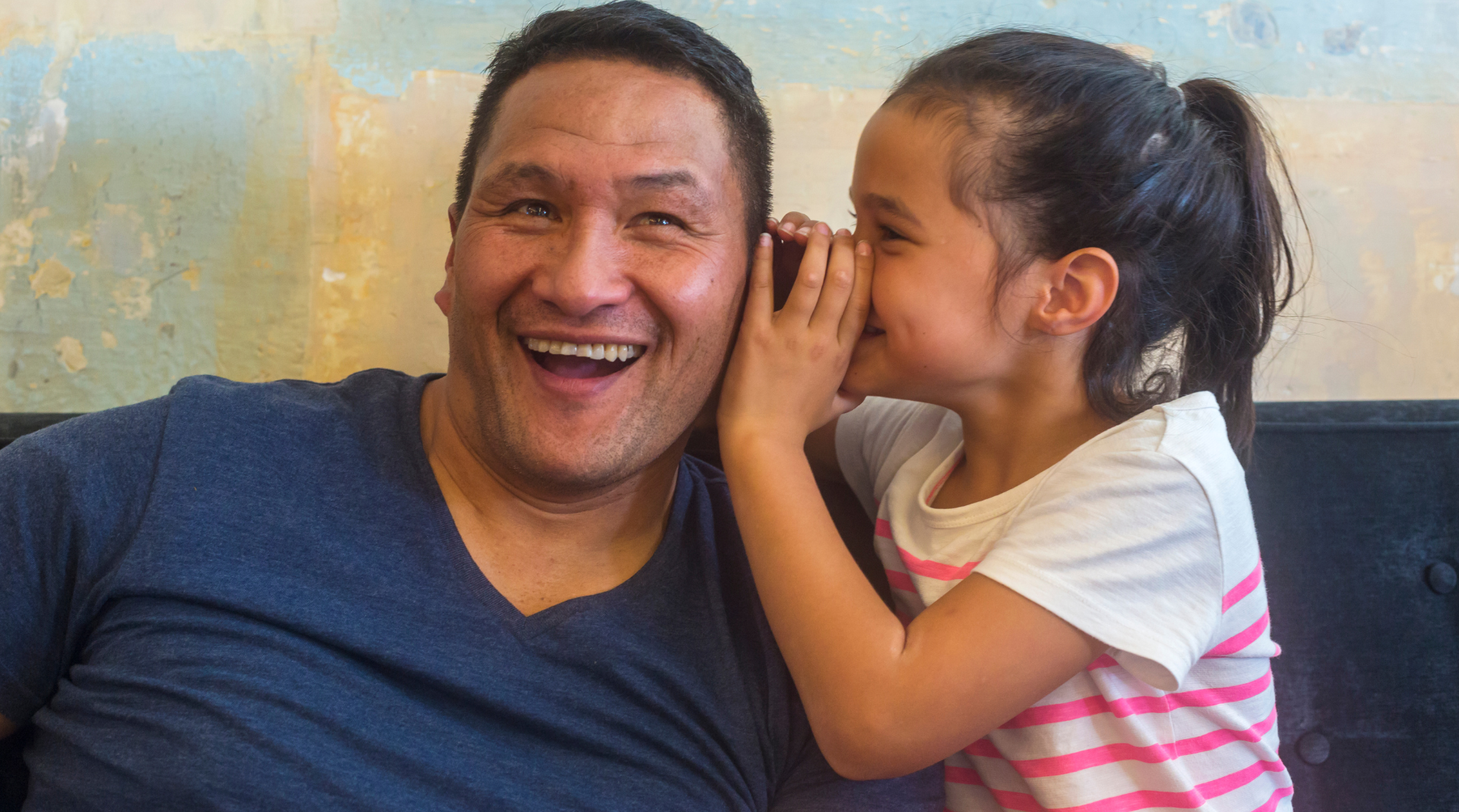
Talking Matters NZ recommends reading books in Te Reo Māori with your tamariki (children) is an easy way to introduce new kupu (words). Ahakoa iti, akona, korerohia – learn a little, use a little. Give pēpi and tamariki space to take a turn and take time to describe the pictures.

Children learn so much from taking part in a conversation. A turn doesn’t have to be a word for little ones. Noises, body language and pointing count. We are very lucky in New Zealand that there are plenty of books available in both te reo Maori and bi-lingual languages for all ages.

Visit your local library for some pukapuka ideas or use the Auckland Library catalogue to order books online. Also, Te Papa Tongarewa has a Te reo Maori pukapuka mahi (Maori language activity book) to download. This is a great way to involve the whole whanau!

Here are some other online resources you may find useful:

If you’re keen to try more formal learning, here’s a great resource to help you find a course near you.
The importance of talking with children

Here is a great example of a local event, organised by Far North REAP, to share information and ideas to help encourage children’s talking and listening. This awesome mahi was also supported by the Ministry of Education NZ RTLB – Resource Teachers: Learning and Behaviour Doubtless Bay Kindergarten and more, with a special guest speaker from Brainwave Trust Aotearoa speaking to more than 30 whanau.

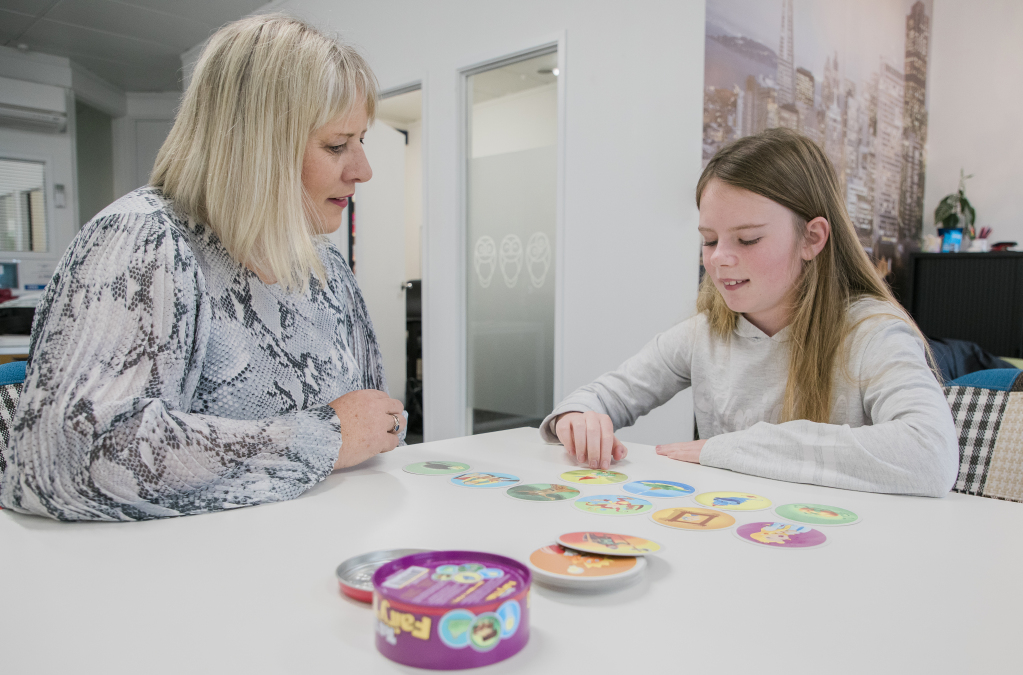
Talking to your children sounds easy, but when they are very young, you may find you need to consciously talk to them more (ignoring all the other distractions life throws at you as a parent). Here are some great tips from Talking Matters Network, a collective of more than 200 practitioners from over 70 organisations from all over New Zealand:

Tips for talking to your children

Tune in to kids – start with what they are interested in.
Talk more often – Talk with them for longer & encourage them to talk; describe everyday things and everyday objects. Chat with them about what you and they are doing. Every moment is potentially a talking moment.
Gift children ‘juicy’ new words – Expand what they know. If the word seems too hard, use it and explain, rather than avoid it.
Encourage them to talk and take turns – Back and forth, ‘serve and return’ conversations make a big difference. To really develop their brains, children have to participate and contribute as well as listen.
Fewer questions, more comments – Questions don’t add knowledge. Gift additional words to build children’s understanding of ideas and concepts.
Talk differently – Praise their efforts/ relate to their interests; expand and talk everywhere. This is simple, free and easy. You have the power to make a real difference.
Read books every day – The language in books is different from everyday conversation and expands their understanding of the world. It is never too early to read to babies. Books also help build the bond between child and reader and help the child get ready for reading when they are older.

Resources to support awareness weeks

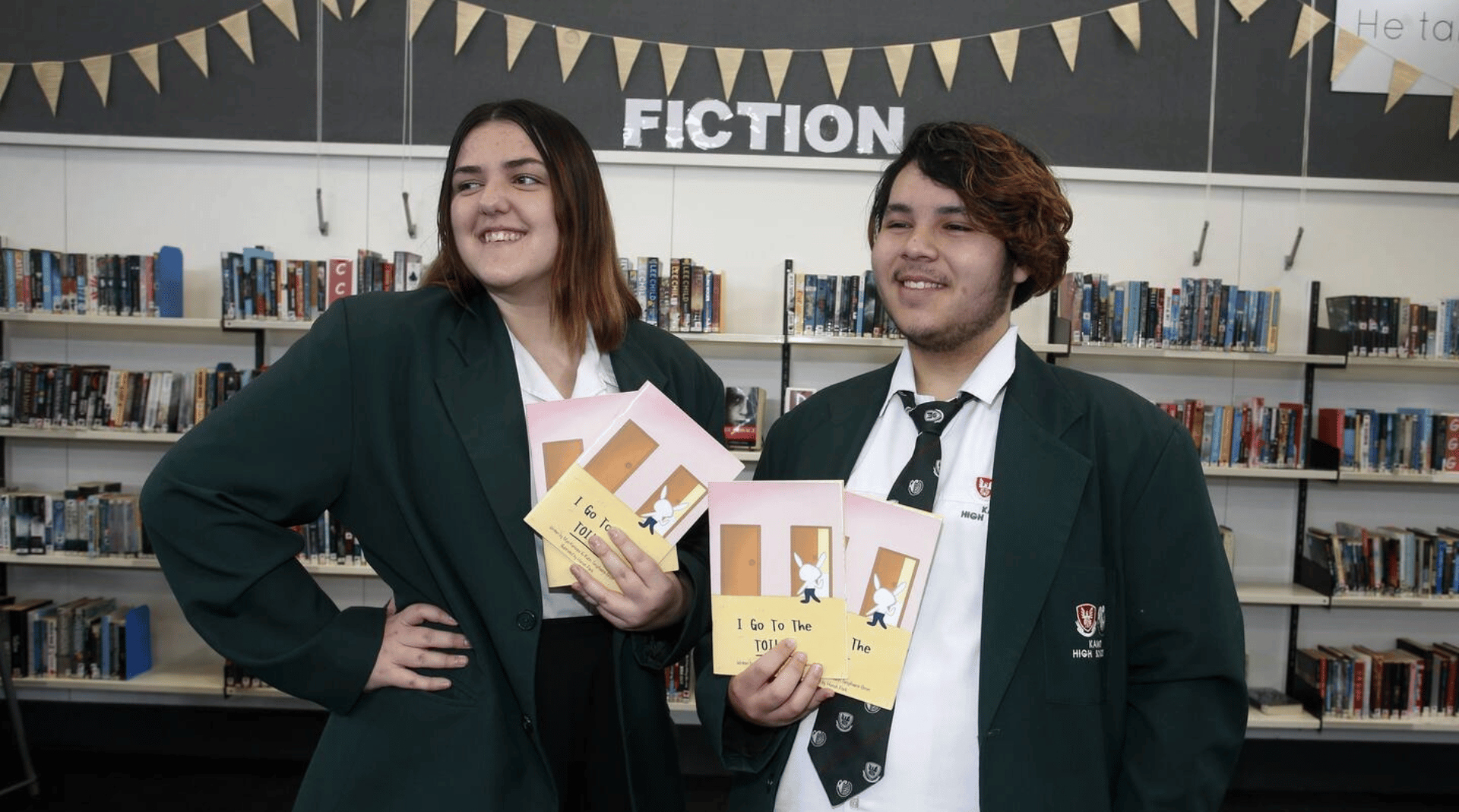
The book, called “I go to the toilet,” was developed by Northland students Mya Kereopa and Kahn Tangihaere-Brom. The inspiration for the project was Mya’s brother Zane. When she saw one of the learning resources her 4-year-old brother who has autism was given, she decided it wasn’t up to standard. So she and her Kamo High School business classmate Kahn Tangihaere-Brom have done something about it.

The pair created and printed a toileting book titled “I go to the toilet” targeted at children with intellectual disabilities, and with the help of Moretalk, are now planning to produce a Te Reo Maori version of the book.

Michelle Bonetti said Moretalk wanted to celebrate the te reo edition to mark Te Wiki o te reo Maori and Speech Language Therapy Awareness Week.

“We are a bicultural society and a multicultural society and there’s just not enough resources out there, not just for the diversity of the learners that we have, but the languages.”

The students are working with someone to help with translation, and then plan to take it to local iwi for feedback.

Zane was the first to test out the new book, and he loves it, according to Mya.

“Zane loves it, he brings it to the toilet all the time and mum and my brother sit in the toilet and read it together and he interacts with the pictures.”

Last month they printed their first 50 books and in the first day, they sold about 15. If you are interested in the books you can visit the NDLR Facebook page.

Read more at NZ Herald.